



News & Insights
Details.

A brief introduction explaining what type of
content users can expect, such as industry
trends, agency updates, success stories, and
expert insights.

Automattic Board Places CEO Matt Mullenweg on Leave of Absence
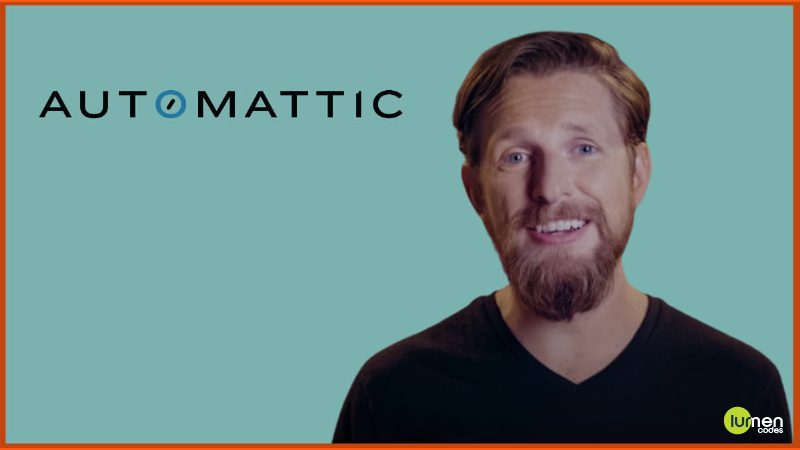
Matt Mullenweg, the founder and CEO of Automattic—the company behind WordPress.com—has reportedly been placed on a paid leave of absence by the company's board, despite opposing the decision.
The development was revealed through an internal Slack message shared with employees. Mullenweg said that Automattic CFO Mark Davies, along with board members Ann Dunwoody, Toni Schneider, and Sue Decker, had agreed to remove him from his day-to-day leadership responsibilities.
Mullenweg Says He Opposed the Decision
In a message posted to a company-wide Slack channel, Mullenweg said the board had acted without giving him sufficient time to review the decision with independent legal counsel.
He explained that he received the formal resolution less than an hour before the scheduled meeting and repeatedly requested additional time to have the matter reviewed by an outside attorney.
Mullenweg also confirmed that Mark Davies had been selected to serve as interim CEO while he remains away from the company.
WordPress.org Leadership Remains Unchanged
The leadership change at Automattic does not appear to affect the independent WordPress.org open-source project.
Mary Hubbard, executive director of WordPress.org, informed the project's community that Mullenweg would continue serving as the leader of the WordPress project.
She also emphasized that WordPress.org's teams, priorities, and ongoing work would continue according to the existing plans.
Mark Davies Takes Over as Interim CEO
Automattic later confirmed that Mullenweg is currently on leave and that CFO Mark Davies will temporarily take over as CEO.
The company said its board has confidence in Davies and in Automattic's broader leadership team, indicating that the organization intends to continue pursuing its existing business priorities during the transition.
Although Mullenweg is stepping away from his executive responsibilities, he reportedly remains a member of Automattic's board.
A Company Surrounded by Controversy
The leadership change comes after several years of significant disputes surrounding Mullenweg and Automattic.
One of the company's biggest ongoing conflicts has involved WP Engine, a major WordPress hosting provider. The dispute began after Mullenweg accused WP Engine of benefiting financially from the WordPress ecosystem without making sufficient contributions to the open-source project.
The disagreement eventually developed into a major legal battle involving allegations surrounding trademark use, business practices, and the management of the WordPress ecosystem.
Long-Running WP Engine Dispute
Mullenweg had previously demanded that WP Engine pay Automattic a royalty equivalent to a percentage of its monthly revenue for using the WordPress brand.
WP Engine subsequently filed a lawsuit against Automattic and Mullenweg, accusing them of issues including defamation and misuse of authority. Automattic later responded with counterclaims of its own.
The dispute has continued to expand, with additional legal filings suggesting that other WordPress-related companies could potentially face similar royalty demands.
Employee Tensions Increased
The conflict with WP Engine also created internal tensions at Automattic.
In 2024, Mullenweg reportedly offered employees the option to leave the company with severance if they disagreed with his position in the dispute. A large number of employees accepted the offer, with 159 workers reportedly departing.
The mass departures became one of the most significant signs of disagreement within the company during the controversy.
Disputes Within the WordPress Community
Mullenweg has also faced criticism from members of the broader open-source WordPress community.
At one point, he threatened to deactivate the accounts of several WordPress.org contributors after two community members announced plans to develop a separate version, or fork, of the open-source WordPress project.
The situation raised further questions about governance, community participation, and the balance between Mullenweg's leadership of WordPress and the project's open-source nature.
Automattic Has Also Cut Staff
Automattic's internal challenges have extended beyond legal disputes and community disagreements.
In April 2025, the company reportedly reduced its workforce by around 16%. Some of the affected employees had worked at Automattic for more than ten years.
The layoffs added to concerns about the company's business direction and the impact of its continuing disputes.
Employees React to Mullenweg's Leave
The board's decision has reportedly generated mixed reactions among current and former Automattic employees.
According to sources, some former employees contacted current staff members to ask how they felt about the leadership change. Some employees reportedly described themselves as relieved or excited by the development, while others expressed concern that the decision could introduce additional uncertainty into the company.
Why Did the Board Act Now?
Automattic has not publicly explained in detail why the board decided to place Mullenweg on leave at this particular moment.
The timing has therefore generated speculation. One theory mentioned by a source was that the decision could be connected to Mullenweg's annual attendance at the Burning Man festival, following which he has sometimes returned with new ideas or initiatives.
This year's festival concluded on September 7, shortly before the reported leadership change.
What Happens Next for Automattic?
For now, Mark Davies will lead Automattic as interim CEO while Mullenweg remains on leave. Mullenweg is still connected to the company through his position on the board and continues to lead the WordPress open-source project.
The situation represents a significant moment for Automattic. With ongoing legal disputes, previous workforce reductions, tensions within the WordPress community, and now a major leadership change, the company's next steps could have broader consequences for the future direction of both Automattic and the WordPress ecosystem.