





News & Insights
Details.

A brief introduction explaining what type of
content users can expect, such as industry
trends, agency updates, success stories, and
expert insights.

California Sets New Fines for Robotaxis That Block First Responders
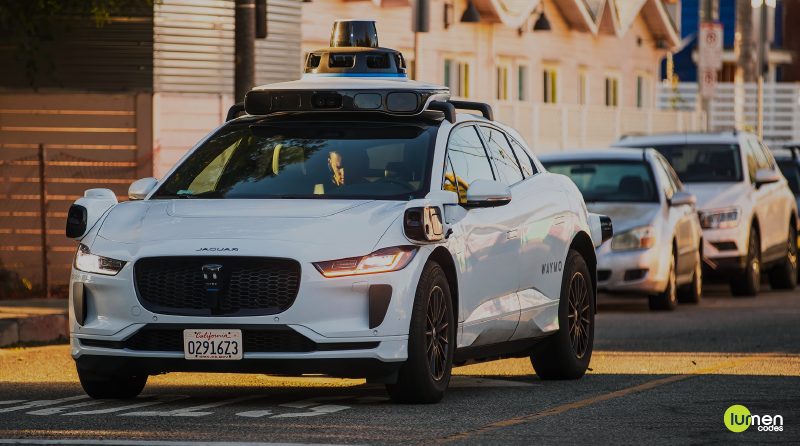
California is introducing stricter requirements for autonomous vehicle companies after a series of incidents involving robotaxis that became disabled, disrupted traffic, or interfered with police and emergency crews.
Under Senate Bill 1246, signed by Gov. Gavin Newsom, autonomous vehicle operators such as Waymo, Tesla, and Zoox will have to provide local support when their vehicles create problems for first responders. Companies could also face fines if an autonomous vehicle blocks emergency personnel for more than 30 minutes.
New Accountability Rules for AV Companies
The legislation establishes several requirements intended to improve how autonomous vehicles are handled when they malfunction or become involved in incidents.
The rules are designed to ensure that companies can respond more quickly when a robotaxi becomes disabled, blocks a roadway, or interferes with emergency operations.
The law also creates mechanisms for holding AV developers responsible when they fail to meet those obligations.
California Has Seen Multiple Robotaxi Incidents
The legislation follows several high-profile incidents involving autonomous vehicles in California.
Robotaxis have been involved in situations where they broke down and obstructed traffic, entered areas where police were responding to incidents, or otherwise interfered with emergency responders.
Many of the reported cases have involved Waymo, currently the largest commercial robotaxi operator in the United States, with roughly 4,000 autonomous vehicles across its U.S. fleet.
Approximately 1,200 Waymo vehicles are located in the San Francisco Bay Area.
First Responders Have Been Used to Handle Disabled Vehicles
Earlier reporting identified cases where Waymo vehicles experienced problems and emergency personnel became involved in manually moving or operating the vehicles.
The incidents attracted attention from lawmakers at both the state and federal levels, increasing pressure on autonomous vehicle companies to develop better procedures for dealing with emergencies and disabled vehicles.
The National Highway Traffic Safety Administration (NHTSA) has also contacted autonomous vehicle developers and called on them to develop solutions for situations in which their vehicles interfere with first responders.
Remote Drivers Face New Requirements
One of the most significant provisions of the California law concerns remote vehicle operators.
AV developers will only be permitted to employ remote drivers who are located in the United States, and those individuals must hold a U.S. driver's license.
The requirement addresses concerns about how companies remotely intervene when autonomous vehicles encounter situations they cannot handle independently.
Remote Operations Can Mean Different Things
The legislation distinguishes between a remote driver and other forms of remote assistance.
The term “remote operations” has been used broadly within the autonomous vehicle industry, while the new law specifically defines a remote driver as a person who can directly operate or drive a vehicle from a remote location.
Tesla is currently the only company that has publicly said it uses remote operators capable of directly taking control of its robotaxis.
Other companies have described their systems differently.
Waymo Uses Remote Assistance
Waymo has said that its remote assistance system does not necessarily involve a human directly driving the vehicle.
Instead, the autonomous driving system remains responsible for controlling the vehicle while a remote employee can provide guidance or issue software commands when assistance is required.
Waymo operates a global network of remote assistance personnel, including staff in the Philippines, as well as command centers in Arizona and Michigan.
Zoox, meanwhile, has said that its remote operations teams are located within the United States.
Local Technicians Will Be Required
The new law also requires AV companies to provide local support when their systems experience widespread failures.
Companies will have to notify cities, towns, and other local jurisdictions about the location and status of autonomous vehicles during system-wide disruptions.
They will also need to provide local incident technicians capable of responding to accidents, disabled vehicles, and roadway obstructions involving autonomous vehicles.
Robotaxis Could Face Fines After 30 Minutes
Another key provision gives authorities the ability to impose financial penalties when an autonomous vehicle interferes with first responders during an emergency.
If an AV blocks emergency personnel for more than 30 minutes, the company can be fined under the new rules.
The measure is intended to give AV operators a stronger incentive to ensure their vehicles can be quickly identified, moved, or otherwise dealt with when emergency crews need access to a roadway.
Waymo and Zoox Say They Will Comply
Companies affected by the legislation have indicated that they intend to follow the new requirements.
Waymo said it welcomed amendments made during the legislative process and described the final version as workable for autonomous vehicle operators serving California.
The company also reiterated its stated commitment to improving road safety and its service in the state.
Rules Take Effect in 2028
The new requirements are scheduled to take effect in July 2028.
California's Department of Motor Vehicles, which oversees autonomous vehicle regulation in the state, will establish additional guidelines for certain parts of the legislation.
Those rules will include requirements related to response times, helping determine how quickly companies must respond when their autonomous vehicles become involved in emergencies or obstruct first responders.