





News & Insights
Details.

A brief introduction explaining what type of
content users can expect, such as industry
trends, agency updates, success stories, and
expert insights.

Why Data Center Construction Is Facing Growing Opposition
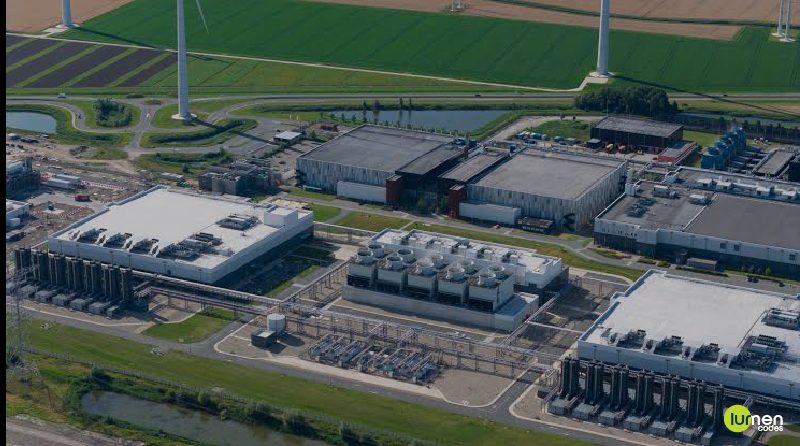
The rapid expansion of artificial intelligence is driving an enormous wave of investment in data centers. Leading AI companies believe that increasing computing capacity is essential for developing more capable systems, resulting in plans for data center projects worth trillions of dollars.
But while the AI industry continues to expand its infrastructure, public support for new data centers is becoming increasingly difficult to secure.
Public Opposition Is Growing
Several recent surveys indicate that more than 60% of Americans support restrictions on new data center construction, particularly when projects are proposed in their own communities.
Opposition is also affecting projects directly. According to Data Center Watch, local resistance disrupted data center developments worth approximately $68 billion during the second quarter of 2026.
The growing divide presents a challenge for AI companies and their investors. Demand for AI services continues to increase, but the infrastructure required to provide those services is encountering resistance from communities where facilities are being proposed.
Why Communities Are Pushing Back
A new report from nonprofit Data & Society examines the reasons behind this opposition.
The research is based on 18 months of ethnographic fieldwork involving interviews with 44 residents of Pennsylvania between 2024 and 2026.
Rather than attempting to calculate the precise economic or environmental effects of individual data centers, the researchers focused on how residents understand and experience the debate surrounding these developments.
Livia Garofalo, a researcher at Data & Society, said that spending significant time with communities allows researchers to look beyond the optimistic narrative surrounding AI and understand the disconnect between the industry's promises and people's concerns.
Pennsylvania's Industrial History Matters
When the researchers began their work, data centers were frequently presented as an important opportunity for economic growth.
In July 2025, Pennsylvania Governor Josh Shapiro participated in a summit celebrating approximately $90 billion in planned investments in data centers and AI infrastructure.
A year later, however, Shapiro signed an order introducing additional requirements for data center projects and removing them from a regulatory program designed to accelerate approvals.
The researchers argue that this change reflects a broader shift in how data center development is being viewed.
Residents Remember Earlier Industrial Booms
The researchers say Pennsylvania's history helps explain some of the skepticism surrounding the AI industry's promises.
The state has experienced major waves of industrial development involving coal mining, oil production, steel manufacturing, and hydraulic fracturing.
Those experiences brought economic opportunities but also environmental and social consequences, leaving some communities wary of promises that a new industry will inevitably produce widespread prosperity.
Maia Woluchem, a Data & Society program director and report co-author, said Pennsylvania residents have extensive experience with industrial transformation and can recognize when proposed developments do not appear consistent with their interests.
Unions See Potential Economic Benefits
Not everyone opposes data center construction.
Trade unions are among the strongest sources of support for these projects because of the construction and infrastructure jobs they can generate.
Although data centers generally do not require huge permanent workforces once construction is finished, unions see the development phase as an opportunity to create jobs and strengthen their membership.
This makes organized labor an important part of the debate, even as other community groups raise concerns about the projects.
Industry Groups Are Promoting Data Centers
The report also examines efforts by the data center industry to build public support.
Researchers point to organizations such as the Data Center Coalition, which has promoted projects through campaigns and websites, including an initiative known as “Pennsylvania Connects.”
The group also spent at least $19,000 lobbying Pennsylvania's state government last year, according to the report.
The researchers characterize these activities as an organized effort to influence public opinion and policymakers, contrasting them with concerns in the industry that opposition itself may be driven by foreign influence.
Opposition Comes From Different Groups
One of the researchers' more notable observations was the diversity of people opposing data center projects.
Rather than falling neatly along traditional political party lines, opposition brings together groups with very different motivations.
Some residents simply object to new development in their communities. Others are concerned about AI itself or the companies developing it.
Environmental organizations have raised questions about water consumption and energy-related emissions, while other residents have broader concerns about possible effects on public health.
These groups do not necessarily agree on AI or development in general, but they can find common ground when opposing a particular data center project.
Financial Concerns Are Central
Despite the broader debate over AI, many residents are focused on immediate financial and community issues.
One concern is the amount of electricity required to operate large data centers and whether that demand could eventually contribute to higher household electricity bills.
Residents are also worried about potential effects on property values.
Another source of frustration involves the way developers negotiate with local governments. The report points to practices such as asking officials to sign non-disclosure agreements, which can make residents feel that important decisions are being made without sufficient public transparency.
Local Government Relationships Are Changing
The researchers also described situations where residents noticed unusual interactions between major technology companies and local officials.
For example, residents attending town hall or council meetings may suddenly see representatives from companies such as Amazon, Meta, or Microsoft appearing to advocate for a proposed project.
Some residents then become concerned if local officials who previously communicated openly with them become less accessible once a data center proposal enters the picture.
These experiences can deepen existing concerns about transparency and accountability.
Trust May Be the Biggest Challenge
The wide variety of objections makes the situation particularly difficult for the AI industry.
There is no single issue that explains opposition to data centers, meaning that addressing one concern may do little to resolve others.
For some residents, the issue is electricity. For others, it is water, property values, environmental impact, development, AI itself, or the behavior of technology companies and developers.
Underlying many of these disagreements is trust.
Garofalo described the issue as a deeply personal form of trust that technology companies are increasingly becoming part of people's everyday lives.
The same tension applies to AI itself: people may use chatbots for companionship, assistance, or emotional support while simultaneously recognizing that these systems are commercial products designed to generate value for the companies operating them.
As AI development accelerates, the industry's challenge may therefore extend beyond building enough computing infrastructure. It may also involve convincing communities that the costs, benefits, and decision-making processes surrounding that infrastructure deserve their trust.